
If you’ve ever wondered whether switching to an electric toothbrush is actually worth it, you’re not alone. It’s one of the most common questions patients ask during visits at Smile Hilliard.
Most people are already brushing twice a day. You’re doing what you’ve been told for years. So it makes sense to ask, is changing your toothbrush really going to improve your oral health?
The honest answer is this. It depends on your habits, your needs, and how you brush today. The goal is to make daily dental care easier, more effective, and more consistent over time.
Do You Actually Need an Electric Toothbrush?
Not everyone needs to switch. A manual toothbrush can absolutely support strong dental health when used with proper technique, the right amount of time, and consistent brushing habits.
But here is what we see every day in real life.
Many patients:
- Rush their brushing time
- Miss the back of their mouth
- Use too much pressure without realizing it
- Have uneven plaque removal across different areas
That’s where an electric brush can help. It is not about replacing your effort. It is about supporting better results with less effort and more consistency.
Electric Toothbrush vs Manual Toothbrush: What Is the Real Difference?
The biggest difference comes down to how the cleaning happens.
With a manual toothbrush, everything depends on your movement, your brushing technique, and how well you keep track of time. A regular manual toothbrush works well when every step is done correctly.
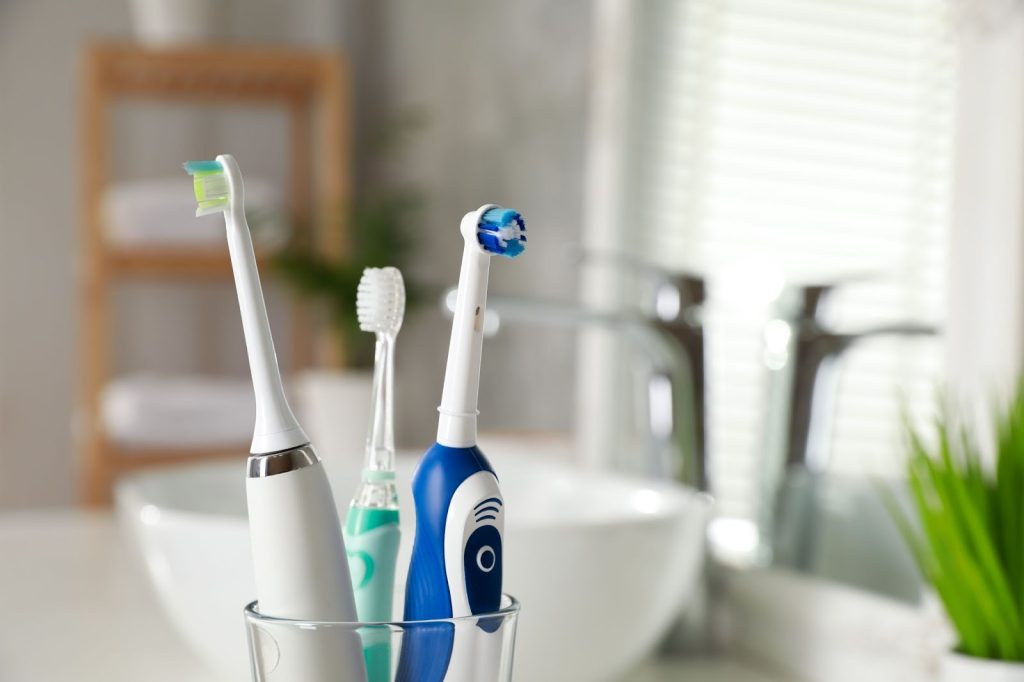
With an electric brush, the toothbrush head does much of the motion for you. The cleaning power comes from rapid movements, often using sonic technology or a round brush head that helps break up dental plaque and food debris.
That difference shows up most clearly in everyday habits:
- Electric toothbrush: helps guide brushing time and pressure
- Manual toothbrush: relies fully on your control and consistency
A manual brush can work just as well. An electric toothbrush helps more people do a better job on a daily basis.
What Do Dentists Actually Recommend?
Most dental professionals do not insist on one type of toothbrush for everyone. The recommendation is based on what will help you maintain healthy habits long term.
At Smile Hilliard, many patients are encouraged to consider an electric toothbrush if they:
- Have a history of gum disease or gum recession
- Struggle with plaque removal or buildup
- Find it hard to brush for the full amount of time
- Apply too much pressure when brushing
- Have orthodontic appliances that make cleaning more difficult
- Want a more guided approach to oral hygiene
Electric toothbrushes often include pressure sensors, timers, and brushing modes that help patients build better habits without overthinking it.
Dr. Sanyk takes time to listen to each patient’s routine before making a recommendation. That way, the solution fits your lifestyle, not the other way around.
Are Electric Toothbrushes Better for Plaque Removal?
One of the biggest advantages patients notice is improved plaque removal. Because the electric toothbrush head moves quickly and consistently, it can reach areas that are often missed with manual brushing. This includes along the gumline and around the back of your mouth where food particles and dental plaque tend to collect.
For many patients, this leads to:
- Cleaner teeth at the end of the day
- Healthier gum tissue over time
- A lower risk of tooth decay
This is especially helpful if your brushing habits have been inconsistent in the past. The added cleaning power helps create a more even clean across each quadrant of your mouth.
Can an Electric Toothbrush Help Protect Your Gums?
Gum care is one of the biggest reasons dentists recommend electric toothbrushes.
Many people use too much pressure when brushing with a manual brush. Over time, this can lead to gum recession and irritation.
Electric toothbrushes with pressure sensors help prevent this by alerting you when you are brushing too hard. Combined with soft bristles and gentle movement, this supports healthier gum tissue.
Patients who have experienced sensitivity or early signs of gum disease often benefit from this shift. It creates a more controlled and consistent brushing technique.
What Are the Benefits of an Electric Toothbrush in Daily Life?
Beyond clinical benefits, there is a practical side to this decision. An electric toothbrush can make your routine feel easier and more manageable.
Patients often notice:
- Less effort needed to achieve a deep cleaning
- Easier reach to the back of your mouth
- Built-in reminders to brush for the right amount of time
- Better consistency in brushing habits
Some models include a charging base, travel case, and long battery life, which makes them convenient even when on the go.
In the long run, these small improvements can support better oral care and help you stay on track with your dental hygiene goals.
Are There Situations Where a Manual Toothbrush Is Still a Good Choice?
Yes, and this is an important part of the conversation.
If you already:
- Have strong brushing technique
- Use the right amount of time
- Maintain consistent oral hygiene
- See healthy results at your dental visits
A manual toothbrush can continue to work very well for you.
At Smile Hilliard, the focus is always on results. If your current routine supports your overall oral health, there may not be a need to change. The key is being honest about your habits and open to adjustments when needed.
How Can You Get the Best Results From Either Option?
No matter which type of toothbrush you choose, proper technique matters. Dr. Sanyk and the Smile Hilliard team will talk patients through simple adjustments that make a big difference:
- Use fluoride toothpaste to protect against tooth decay
- Brush for the right amount of time, usually two minutes
- Move methodically through each quadrant of your mouth
- Focus on the gumline where plaque builds up
- Replace your toothbrush or replacement brush heads regularly
- Don’t forget to floss!
With an electric toothbrush, the goal is to guide the brush rather than scrub. With manual brushing, it is about being intentional and consistent.
These small habits shape your long-term dental health more than any single product.
So, Should You Switch to an Electric Toothbrush?
This is where the conversation comes full circle.
If you are doing a great job with your current routine and your dental health reflects that, you may not need to switch.
If you feel like your brushing habits could improve, or you want a tool that supports better consistency with less effort, an electric toothbrush can be a great investment.
Our team helps patients make this decision every day by focusing on what will work best for them, not what works for everyone else.
A Simple Change That Can Support Long-Term Oral Health
At Smile Hilliard, we believe dentistry is about more than just teeth. It is about helping you build healthy habits that last.
Choosing between a manual toothbrush and an electric brush is one small decision that can have a meaningful impact over time. With the right guidance, it becomes much easier to feel confident in your routine.
If you are unsure which option is right for you, we are always happy to talk through it during your visit. Schedule your next appointment with Smile Hilliard today.