Oral Cancer Screening
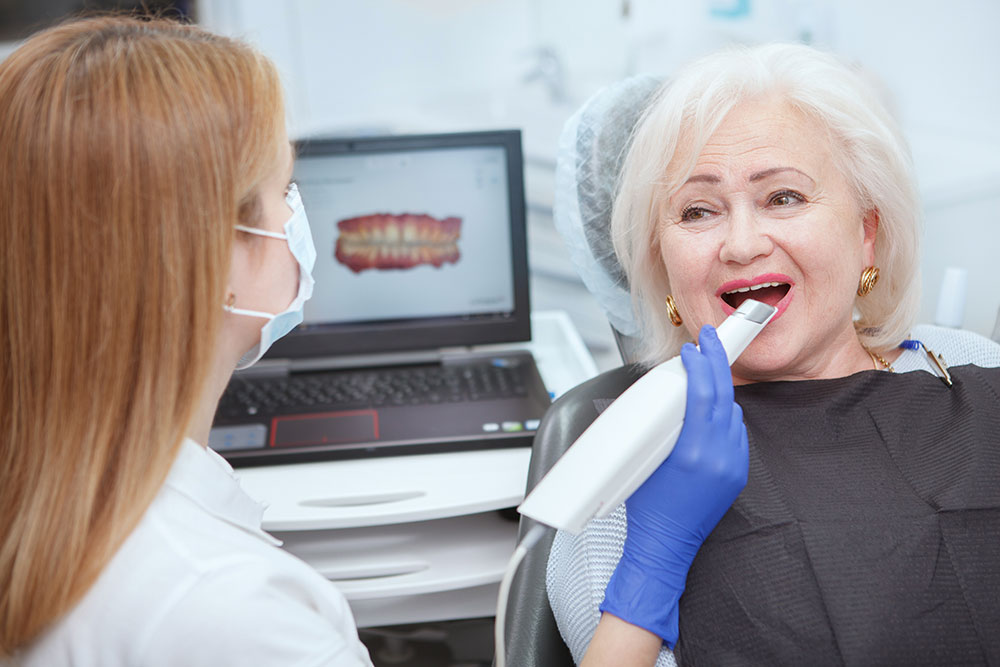
Oral Cancer Screening is an important part of routine dental care and plays a critical role in early detection of oral cancer. Each year in the United States, thousands of individuals are diagnosed with oral cancer, including cancers that affect the oral cavity, lips, tongue, and throat. At Smile Hilliard, Dr. Sanyk incorporates oral cancer screenings into routine oral examinations to help identify signs of cancer at the earliest stages, when treatment is often more effective.
Early detection of oral cancer can significantly improve outcomes. Regular screenings during a dental checkup allow health care providers to evaluate the oral cavity for abnormal tissue, changes in soft tissues, and other signs of oral cancer that may not yet be noticeable to the patient.
What Is Oral Cancer?
Oral cancer refers to cancer that develops in different areas of the mouth and surrounding tissues. This can include the lips, gums, tongue, floor of the mouth, and the soft tissues inside the cheeks and roof of the mouth. In some cases, it can also affect areas further back in the throat.
Like many health conditions, oral cancer can start subtly. Changes in the oral cavity are not always painful in the early stages, which is why regular oral cancer screening is so important for early detection.
Oral cancer may appear in several ways, including:
- Persistent sores that do not heal
- Red or white patches in the mouth
- Lumps or thickened areas of tissue
- Changes in the lips, tongue, or gums
- Ongoing sore throat or difficulty swallowing
- Shifting of your teeth or changes in your bite
Recognizing these signs of oral cancer early and bringing them to your dentist’s attention allows for quicker evaluation and, when needed, further testing. Early detection of oral cancer plays an important role in supporting more effective treatment and better outcomes.
Why Oral Cancer Screening Matters
Oral cancer screening is designed to support the early detection of oral cancer before it progresses. In many cases, oral cancer develops without noticeable symptoms in the early stages. Routine oral examinations provide an opportunity for trained dental professionals to identify subtle changes that may indicate a problem.
Organizations such as the American Dental Association, American Cancer Society, and National Cancer Institute emphasize the importance of regular screenings as part of preventive health care.
The benefits of routine oral cancer screening include:
- Early detection of oral cancer
- Identification of abnormal tissue before it becomes more serious
- Support for cancer prevention through regular monitoring
- Increased awareness of oral cancer risk and risk factors
Dr. Sanyk includes oral cancer screening as part of routine dental visits to support early diagnosis and proactive care.
Risk Factors for Oral Cancer
Understanding the risk of oral cancer helps patients take steps toward cancer prevention. Several risk factors are associated with an increased likelihood of developing oral cancer or mouth cancer.
Common risk factors include:
- Tobacco use, including cigarettes, cigars, and other tobacco products
- Heavy alcohol use or heavy alcohol consumption
- Human papillomavirus (HPV), which is linked to oropharyngeal cancer
- Prolonged sun exposure, increasing the risk of lip cancer
- Poor nutrition and overall oral health conditions
- History of chewing tobacco or long-term irritation in the oral cavity
- Family history of oral cancer or history of other cancers
Patients who have multiple risk factors may be considered higher risk and may benefit from more frequent screening and evaluation.
Signs of Oral Cancer to Watch For
While oral cancer screening is performed during dental visits, patients should also be aware of potential signs of cancer between appointments.
Signs of oral cancer may include:
- A sore that does not heal in the oral cavity
- Red or white patches on the gums, tongue, or insides of the cheeks
- Lumps or thickened areas in the mouth or neck
- Difficulty chewing, swallowing, or speaking
- Persistent sore throat or hoarseness
- Swelling in the lymph nodes
- Unexplained shifting of your teeth or changes in your bite
If you notice any of these symptoms, it is important to schedule a dental checkup or evaluation promptly.
What to Expect During an Oral Cancer Screening
Oral cancer screening at Smile Hilliard is a quick and comfortable part of your routine oral examinations. The process focuses on a thorough examination of the oral cavity and surrounding areas.
During your screening, Dr. Sanyk and the dental hygienists will:
- Examine the lips, tongue, gums, and soft tissues
- Check the floor of the mouth and insides of the cheeks
- Evaluate the soft palate and base of the tongue
- Feel the lymph nodes in the neck region
- Look for abnormal tissue, sores, or changes in color or texture
This visual and physical examination helps identify any signs that may require additional tests or further evaluation.
Advanced Screening and Diagnostic Considerations
In some cases, additional screening tools or diagnostic tests may be used to support the detection of oral cancer. These may include techniques such as toluidine blue staining or the use of blue light to highlight abnormal tissue.
Current evidence and systematic review research continue to evaluate the effectiveness of different screening tests and diagnostic methods. Clinical practice guidelines may vary based on patient risk factors and findings during examination.
If an area of concern is identified, Dr. Sanyk may recommend further testing, such as a biopsy or referral to a specialist for additional evaluation.
The Role of Imaging in Oral Cancer Detection
Panoramic X-rays are used as part of routine dental care to evaluate structures such as the jaw, sinus cavities, and surrounding tissues. These images can provide additional information that supports the detection of oral cancer in certain cases. They also serve as a baseline for comparison of changes that occur over time. While imaging is not a standalone cancer screening test, it can complement clinical evaluation and help identify changes that may require further investigation.
What Happens If Something Is Found?
If signs of oral cancer or abnormal tissue are identified during your screening, the next step is referral for further testing. This may include additional diagnostic tests or a biopsy to determine the presence of cancer cells.
Early diagnosis allows for more treatment options and improved outcomes. Dr. Sanyk remains involved in your care and coordinates with other health care providers to support a smooth and informed process.
Oral Cancer Screening as Part of Preventive Care
Oral cancer screening is an important part of preventive dental care and overall health care. Regular dental visits allow for consistent monitoring of oral health conditions and early detection of potential issues.
By incorporating oral cancer screening into routine oral examinations, dental professionals help support:
- Early detection of oral cancer
- Identification of risk factors
- Ongoing monitoring of oral health
- Patient education and awareness
Preventive care plays a key role in reducing the impact of oral diseases and supporting long-term health.
Addressing Common Questions About Oral Cancer Screening
Supporting Early Detection and Long-Term Health
Oral cancer screening provides an important opportunity for early detection and timely intervention. Identifying signs of oral cancer in the early stages supports better outcomes and a wider range of treatment options.
At Smile Hilliard, Dr. Sanyk and her dental team focus on patient education, thorough evaluation, and compassionate care. Oral cancer screening is part of a broader commitment to supporting oral health, overall health, and long-term wellness.
We are committed to the best dental solutions for you and your family. Life is complicated. Dentistry doesn’t have to be!
At our office in Hilliard, Ohio, Dr. Rachel Sanyk and the Smile Hilliard team are fully committed to providing our patients with the very best in general dentistry with comprehensive preventive, restorative, cosmetic, and therapeutic services.
Contact us at 614-534-0257 to get started or schedule your next appointment online.