
Oral Hygiene Education
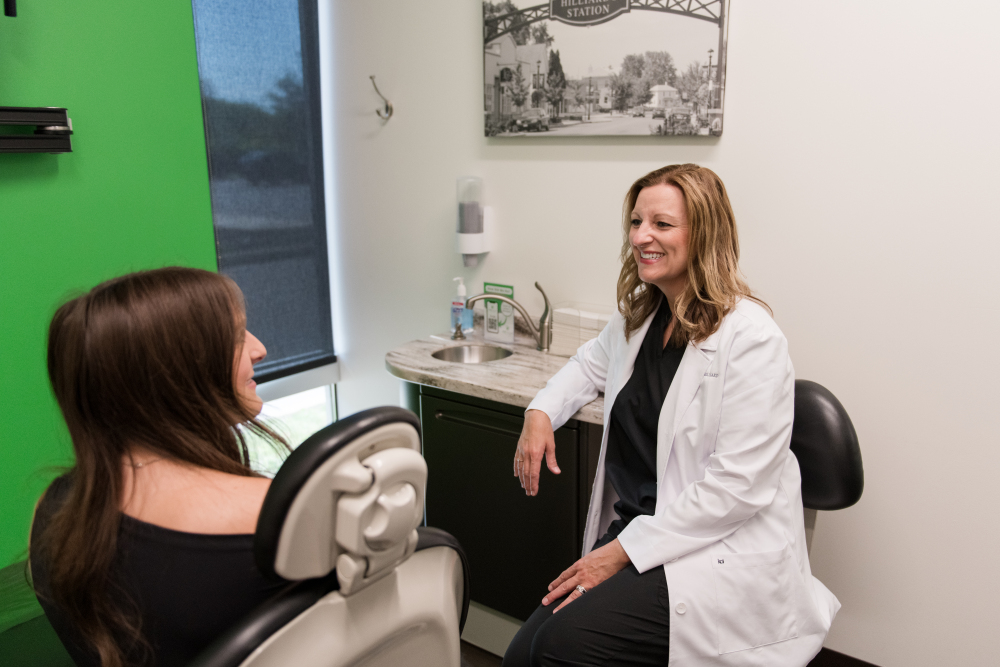
Dental hygiene plays a critical role in maintaining strong oral health, preventing tooth decay, and supporting overall health. With so much information available about oral health care, it can be difficult to know what actually works for your unique needs. At Smile Hilliard, Dr. Rachel Sanyk focuses on personalized oral hygiene education to help patients build good oral hygiene habits that support a healthy mouth and a confident smile.
Every patient’s oral health is different. Factors like diet, oral hygiene routines, dry mouth, tobacco use, and existing health conditions all influence dental health. That is why dental hygiene education at Smile Hilliard is tailored to each patient, helping you understand how to care for your teeth, gums, and oral cavity at home in a way that supports long-term oral health care.
Why Dental Hygiene Matters for Oral Health and Overall Health
Dental hygiene is about more than brushing your teeth. It directly impacts oral health conditions such as gum disease, dental decay, and bad breath, while also playing a role in overall health.
Poor oral hygiene can lead to plaque buildup, harmful bacteria, and inflammation along the gum line. Over time, this can contribute to periodontal disease, tooth loss, and other oral diseases. Research, including findings referenced by organizations like the American Dental Association and Mayo Clinic, has explored connections between oral health and broader health conditions, including heart disease.
Maintaining good oral hygiene supports:
- Healthy teeth and strong tooth enamel
- Reduced risk of tooth decay, also known as dental caries
- Lower risk of gum disease and periodontal disease
- Improved fresh breath and reduced bad breath
- Better quality of life and long-term oral health
Dental hygiene is a key part of health promotion and disease control, supporting both oral health and overall health.
Our Approach to Oral Hygiene Education
At Smile Hilliard, oral hygiene education is part of every visit. During routine exams and cleanings, a dental hygienist evaluates your oral health, including plaque buildup, gum health, and oral hygiene practices.
Dr. Sanyk and the team take time to:
- Assess your current oral hygiene routine
- Identify areas where plaque or food particles collect
- Review brushing and flossing techniques
- Recommend tools and products based on your needs
Rather than giving generic advice, oral hygiene education focuses on your specific habits, risk factors, and oral health goals. This patient-focused approach helps you make meaningful improvements that support good oral health over time.
Daily Brushing: Building a Strong Foundation
Daily brushing is one of the most important parts of oral hygiene. Regular brushing helps remove dental plaque, food particles, and harmful bacteria from tooth surfaces.
For effective tooth brushing:
- Brush at least twice per day using a fluoride toothpaste
- Use a soft bristle toothbrush or electric toothbrush
- Spend at least two minutes brushing all areas of the mouth
- Focus on the gum line and back molars where plaque buildup is common
- Your brushing technique should include small circular motions with the toothbrush bristles positioned at a 45-degree angle to the gumline rather than a scrubbing motion.
An electric toothbrush may be recommended for some patients, as they can improve plaque removal and support consistent brushing habits.
Flossing and Interdental Cleaning
Flossing is essential for removing food particles and plaque from areas a toothbrush cannot reach. Dental floss helps clean between teeth and along the gum line, where plaque buildup often leads to gum disease.
To floss properly:
- Use a piece of floss wrapped around your middle fingers
- Gently guide the floss between teeth
- Curve the floss around each side of the tooth
- Clean below the gum line without snapping the floss
Other interdental cleaning tools may include:
- Interdental brushes
- Water flosser devices
- Specialized types of floss for tight or wide spaces
Dr. Sanyk will recommend the right type of floss or interdental cleaning method based on your dental needs.
Additional Tools for Better Oral Hygiene
Beyond brushing and flossing, additional tools can support better oral hygiene and improve your oral care routine.
Common recommendations include:
- Fluoride mouthwash to strengthen enamel and reduce bacteria
- Tongue scraper to remove bacteria that contribute to bad breath
- Water flosser for easier interdental cleaning
- Specialized toothpaste for sensitivity or cavity prevention
These tools help support good oral hygiene habits and reduce the risk of oral health problems.
Diet and Lifestyle Habits That Affect Oral Health
What you eat and drink has a direct impact on your oral health. A balanced diet supports healthy teeth and gums, while frequent exposure to sugary or acidic foods can increase the risk of tooth decay.
Helpful habits include:
- Drinking water to rinse away food particles
- Limiting sugary snacks and beverages
- Reducing acidic foods that weaken tooth enamel
- Maintaining a healthy diet that supports oral health
Lifestyle habits such as tobacco use can also affect oral health. Tobacco products increase the risk of gum disease, oral cancer, and other oral health conditions.
Dental hygiene education includes guidance on how these habits influence oral health and what changes may support better outcomes.
Common Oral Health Problems Prevented by Good Dental Hygiene
Maintaining good oral hygiene helps prevent a wide range of oral health problems, including:
- Tooth decay and dental caries
- Gum disease and periodontal disease
- Bad breath caused by bacteria
- Plaque buildup and tartar formation
- Tooth loss due to untreated dental issues
Early detection of these conditions during regular dental visits allows for more effective treatment and better long-term results.
Dental Hygiene for Patients With Specific Needs
Some patients may have unique dental needs that require additional care. This may include patients with dry mouth, existing dental restorations, or a higher risk of dental caries.
Dr. Sanyk may recommend:
- More frequent dental visits
- Specialized oral care products
- Adjustments to brushing or flossing techniques
- Additional preventive treatments
Personalized recommendations help ensure each patient receives appropriate care that supports their oral health.
The Role of Regular Dental Visits
Even with excellent at-home care, regular dental visits are essential for maintaining oral health. Professional cleanings remove plaque buildup that cannot be removed with daily brushing alone.
Dental professionals also monitor for:
- Early signs of gum disease
- Changes in oral health conditions
- Areas of concern that may lead to dental issues, including decay
Routine dental care supports long-term oral health and helps patients maintain healthy teeth and gums.
Dental Hygiene and Long-Term Health
Good oral hygiene habits contribute to more than a healthy smile. Maintaining oral health supports overall health and may reduce the risk of complications linked to poor oral hygiene.
Oral hygiene education helps patients understand how daily habits affect both oral health and overall well-being. By building consistent routines, patients can support long-term health and quality of life.
Creating a Routine That Works for You
There is no single approach to dental hygiene that works for everyone. Each patient has unique needs based on their oral health, lifestyle, and preferences.
At Smile Hilliard, Dr. Sanyk works with patients to create realistic routines that support:
- Daily brushing and flossing
- Consistent oral hygiene practices
- Regular dental visits
- Long-term oral health goals
This personalized approach helps patients feel confident in their ability to care for their oral health at home.
Supporting a Healthy Smile Through Education
Oral hygiene education is an ongoing process. As your dental needs change, your oral care routine may need to adapt as well.
At Smile Hilliard, Dr. Sanyk and the dental team focus on providing clear, supportive guidance that helps patients improve their dental hygiene habits over time. This approach supports a healthy mouth, reduces the risk of oral diseases, and helps patients maintain a confident, healthy smile.
We are committed to the best dental solutions for you and your family. Life is complicated. Dentistry doesn’t have to be!
At our office in Hilliard, Ohio, Dr. Rachel Sanyk and the Smile Hilliard team are fully committed to providing our patients with the very best in general dentistry with comprehensive preventive, restorative, cosmetic, and therapeutic services.
Contact us at 614-534-0257 to get started or schedule your next appointment online.