
Fall often feels like a fresh start for families. New classrooms, new routines, and new sports schedules quickly fill the calendar. Between practices, equipment lists, physicals, and school supplies, parents may also find themselves wondering which pieces of protective gear their child truly needs.
One common question is whether athletic mouthguards for kids are necessary, especially when a sport does not seem particularly dangerous. A child may play soccer instead of football, ride a bike with friends, or participate in a basketball league where helmets are not part of the uniform. Still, one unexpected collision or fall can lead to painful dental injuries.
At Smile Hilliard, Dr. Rachel Sanyk provides free custom athletic mouthguards for children to help families protect their child’s teeth during sports and active play. A properly fitted mouthguard creates a protective barrier around the teeth and mouth, helping reduce the effects of accidental contact, falls, and impact force.
As the school year and fall sports season begin, it is a good time to understand how mouthguards work, who should wear one, and why fit matters.
Does My Child Really Need an Athletic Mouthguard?
Children can benefit from an athletic mouthguard whenever an activity creates a risk of contact with another player, the ground, sports equipment, or a hard surface. Contact sports are an obvious example, but dental trauma can also occur during activities that parents may consider lower risk.
The American Dental Association recommends mouth protectors for children and teens involved in many sports activities, including soccer, basketball, ice hockey, and martial arts. Mouthguards may also be helpful during biking, skateboarding, mountain biking, and informal neighborhood games.
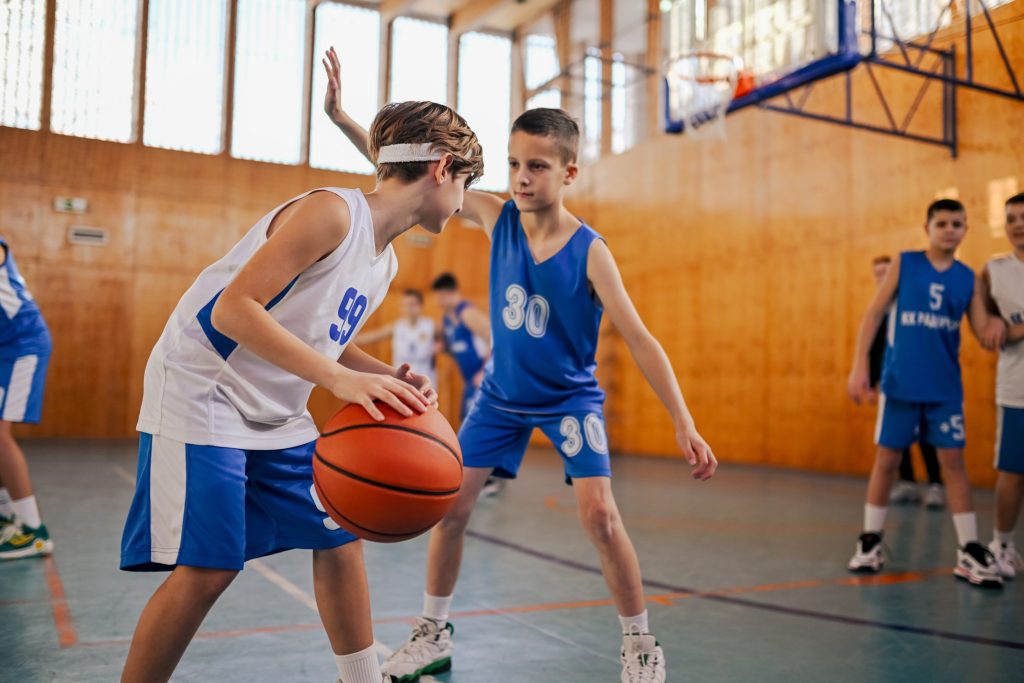
Young athletes move quickly, and accidents happen without much warning. A soccer ball can strike a player’s face. Two basketball players can collide while reaching for a rebound. A bike tire can slip on loose gravel. Even well-supervised youth sports carry some risk of oral injuries.
An athletic mouthguard can help protect against:
- Chipped or broken natural teeth
- Cuts and injuries involving the lips, cheeks, or tongue
- Soft tissue damage inside the mouth
- Facial injuries involving the jaw and nearby structures
- Jaw pain or bite-related concerns after an impact
The level of protection depends on the type of mouthguard, its condition, and how well it fits the child’s mouth. Dr. Sanyk often reminds families that prevention is one of the simplest ways to protect a growing smile during athletic activity.
Why Are Dental Injuries a Concern for Young Athletes?
Sports-related dental injuries can affect a child long after the final whistle. A chipped tooth may require restorative care. A serious impact can damage the tooth, surrounding gums, or soft tissues. In some situations, sports injuries can lead to dental emergencies that need prompt professional attention.
Parents may assume that a helmet or face covering provides complete protection. Helmets are an important form of protective equipment, but they may not fully cover the teeth and the rest of the mouth. A mouthguard adds another layer of protective gear in an area that can remain vulnerable.
The possibility of an injury does not mean children should avoid sports. Sports help children stay active, build confidence, make friends, and develop healthy habits. The goal is to help them participate with the right safety measures in place.
For many families, athletic mouthguards offer peace of mind. Kids can focus on the game, and parents can feel more confident knowing their smile has added protection.
What Types of Mouthguards Are Available?
When parents shop for athletic mouthguards, they usually encounter three main options: stock mouthguards, boil-and-bite mouthguards, and custom mouthguards. Each type of mouthguard offers a different fit, level of comfort, and degree of protection.
Stock Mouthguards
Stock mouthguards are pre-formed and ready to wear. They are commonly available at sporting goods stores and are sometimes called over-the-counter mouthguards.
Because they come in standard sizes, stock options may feel bulky or loose. A poor fit can cause the mouthguard to shift during movement. A child may need to clench their teeth to keep it in position, which can make speaking and breathing feel less comfortable.
These guards are sometimes the only option to protect the teeth when a child has braces as they do not get stuck on brackets or wires. Stock options may be convenient, but their generic shape may not provide the best fit for a child’s unique teeth and bite.
Boil-and-Bite Mouthguards
Boil-and-bite mouthguards are made from a thermoplastic material that softens in hot water. Once softened, the material is placed around the teeth and shaped at home.
These bite mouthguards usually provide a closer fit than stock mouthguards. Results can vary depending on how evenly the material softens and how carefully it is molded. The mouthguard may become too thin in certain areas, feel bulky, or fit unevenly.
Parents choosing an over-the-counter option can also look for products with the American Dental Association Seal of Acceptance when available. Dr. Sanyk can help parents evaluate whether a store-bought option fits securely and covers the appropriate areas.
Custom Mouthguards
Custom mouthguards are created by a dental professional based on the child’s teeth, bite, and mouth structure. This personalized process allows the appliance to sit securely over the teeth without frequent shifting.
A custom option can offer:
- A secure, comfortable fit
- Better protection against impact forces
- Easier breathing and speaking
- Less bulk inside the child’s mouth
- Reduced risk of injuries to teeth and soft tissues
- Reliable coverage during movement
For many active children and teens, a custom appliance is considered the best mouthguard option because it combines comfort with superior protection. When a mouthguard feels comfortable and stays in place, a child may also be more willing to wear it consistently.
Are Custom Mouthguards Better Than Store-Bought Options?
Store-bought mouth guards can provide some protection, particularly when they fit correctly and are worn consistently. Custom options provide a more personalized fit because they are made around the child’s actual teeth and bite.
Imagine buying shoes in a general small, medium, or large size without considering the shape of your feet. The shoes may technically fit, but they may slide, pinch, or feel uncomfortable during activity. A custom mouthguard follows the unique shape of the teeth in a similar way, helping it remain secure while a child runs, communicates, and plays.
A properly fitted mouthguard is also less likely to distract an athlete. Loose mouthguards may shift when a child speaks or breathes. A bulky appliance may cause a young player to remove it between plays or avoid wearing it altogether.
Custom athletic mouthguards are designed to support a proper fit, comfortable use, and maximum protection. At Smile Hilliard, Dr. Sanyk focuses on creating custom solutions that help children feel protected without interfering with their ability to participate confidently.
How Is a Custom Athletic Mouthguard Made?
Creating a custom athletic mouthguard at Smile Hilliard is a simple and comfortable process. It can often be completed during a routine visit.
The process typically includes:
- Taking an impression of your child’s teeth
- Fabricating the custom-fit appliance in-house based on the bite and tooth structure
- Scheduling a follow-up visit to check the fit and comfort
Once completed, the athletic mouthguard fits securely over the teeth and helps absorb the force of contact. Custom mouthguards are commonly made from durable materials such as ethylene vinyl acetate, which helps cushion the teeth during an impact.
The Smile Hilliard team carefully checks each appliance to make sure it feels comfortable and functions as intended. Parents and children also have an opportunity to ask questions about use, cleaning, and replacement.
Children with orthodontic appliances or changing dental needs may require additional guidance. Teeth can move as children grow, and braces or other appliances can change how a mouthguard fits. Families should talk with their dentist about the right mouthguard for their child’s current stage of development.
Which Sports and Activities Call for Mouth Protection?
Many parents associate sports mouthguards with football or boxing. In reality, they can be valuable across a much broader range of activities.
Children and teens may benefit from mouth protection during:
- Football
- Basketball
- Soccer
- Ice hockey
- Martial arts
- Biking – including e-bikes and scooters
- Skateboarding
- Mountain biking
- School athletics
- Travel sports
- Recreational games with a risk of falls or contact
The best decision depends on the activity, the likelihood of contact, and your child’s individual needs. A sport does not need to involve deliberate physical contact for an accident to happen. A fall, stray ball, elbow, or collision can still cause serious oral injuries.
When parents are unsure, a conversation with Dr. Sanyk can help. She takes time to explain the available types of mouthguards and help families choose the right mouthguard for their child.
Can a Mouthguard Affect Breathing or Athletic Performance?
Some children worry that a mouthguard will make it difficult to breathe, speak, or communicate with teammates. Those concerns are understandable, especially if the child has previously tried a bulky stock appliance.
A custom mouthguard is designed to remain secure without requiring constant biting or adjustment. Its close fit can make breathing and normal speech easier during sports activities. Because it is less likely to move around, the athlete can concentrate on the game instead of their protective gear.
Comfort plays an important role in consistency. The best mouthguard is one that provides an appropriate level of protection and that the child will actually wear. A comfortable fit helps make the mouthguard feel like a normal part of the uniform, along with shoes, pads, or a helmet.
How Should Families Care for an Athletic Mouthguard?
Proper care helps keep a mouthguard clean, comfortable, and ready for use. Children should rinse it after each practice or game and clean it regularly with a gentle cleanser.
The mouthguard should be stored in a protective case that allows it to stay clean between uses. Avoid leaving it in direct sunlight, a hot car, or near another heat source. Excessive heat may change the shape of the material and affect the fit.
Families should also:
- Inspect the mouthguard for cracks, tears, or worn areas
- Bring it to routine dental visits so the fit can be checked
- Replace it if it becomes damaged
- Avoid chewing on it
- Make sure it still fits as the child grows
Children’s teeth and jaws change over time. A mouthguard that fit well last season may feel tight, loose, or uncomfortable this year. Rechecking the fit supports proper care and dependable protection.
Can an Athletic Mouthguard Be Part of Preventive Dental Care?
An athletic mouthguard works best as one part of a broader preventive care routine. Routine dental cleanings and exams allow the Smile Hilliard team to monitor a child’s oral health, development, and changing needs.
During these visits, the team can look for early signs of tooth decay or gum concerns, offer practical oral hygiene education, and check whether an existing mouthguard continues to fit properly.
A back-to-school dental visit can be a helpful time to discuss upcoming sports, practices, and activities. Parents can bring an existing mouthguard to the appointment or ask whether a custom option would be appropriate.
Combining regular dental care with well-fitted protective equipment helps families take a proactive approach. These simple habits can lower the risk of preventable problems and support a healthy smile throughout the school year.
Free Custom Athletic Mouthguards for Kids at Smile Hilliard
Smile Hilliard offers free custom athletic mouthguards for children up to age 18, a $150 value. This program reflects Dr. Sanyk’s commitment to making sports injury prevention accessible and straightforward for local families.
The offer gives children a custom-fit appliance designed around their unique smile without adding another major expense to the back-to-school list. For families balancing school supplies, uniforms, registration fees, and other seasonal costs, the free custom athletic mouthguard can make this important piece of protective gear easier to obtain.
At Smile Hilliard, we want children to feel confident both on and off the field. Protecting their teeth today can help reduce the likelihood of painful injuries and complicated dental care later.
Protect Your Child’s Smile Before the Season Begins
A new sports season brings excitement, busy schedules, and plenty of opportunities for children to grow. Adding a custom athletic mouthguard to your child’s gear can help protect their teeth, gums, tongue, cheeks, and jaw during practices and games.
The team at Smile Hilliard is here to make the process comfortable and easy to understand. We will explain what to expect, answer your questions, and make sure the finished mouthguard fits securely.
Schedule a visit before fall practices and games are fully underway. Contact Smile Hilliard at 614-618-3228 or schedule an appointment online to ask about a free custom athletic mouthguard for your child. Life is complicated. Dentistry doesn’t have to be!