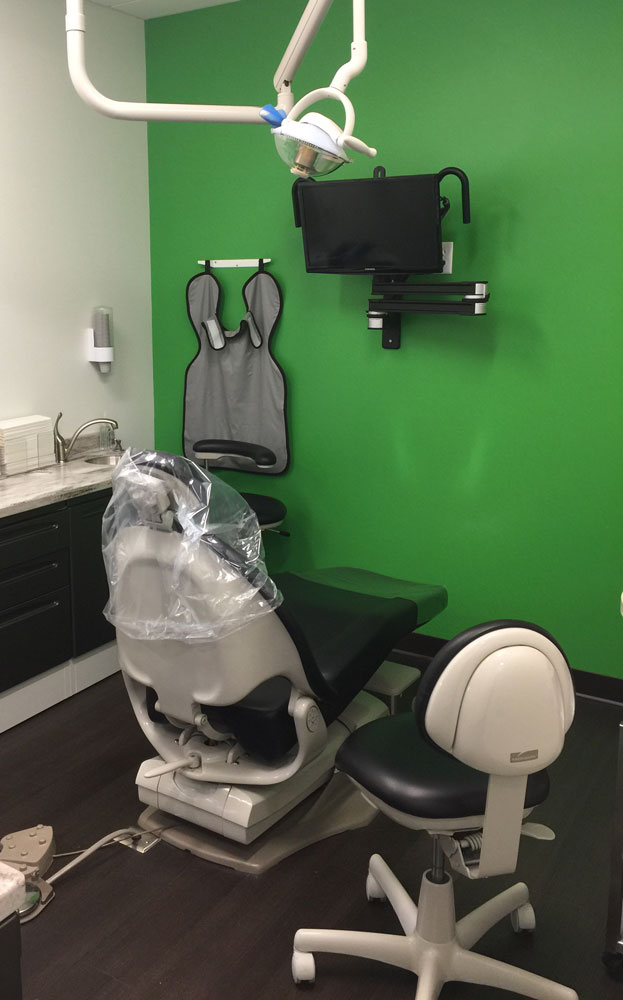


In some situations, removing a tooth can be the healthiest step forward for your smile. At Smile Hilliard, conversations about Dental Extractions are centered on comfort, clear communication, and long-term oral health. Our team takes the time to explain why an extraction may be recommended, what to expect during the visit, and how we support a smooth, predictable healing process afterward.
This guide explains when a tooth extraction may be recommended, what the appointment entails, how the healing process works, and how future tooth replacement options can protect your smile. The goal is simple: help you feel informed, prepared, and supported every step of the way.
When Is a Tooth Extraction the Best Course of Action?
A tooth extraction is never the first choice. Preserving your natural teeth supports overall oral health, proper chewing, and alignment of adjacent teeth. There are situations, however, where removing a tooth is the most appropriate treatment.
Common reasons a dental professional may recommend a tooth extraction include severe tooth decay that has reached the tooth root, advanced gum disease that has weakened the surrounding bone, or dental trauma caused by an accident. In such cases, removing the tooth helps reduce the risk of infection and protects nearby teeth and soft tissues.
Extractions are also common during orthodontic treatment when there is not enough room in the mouth to align permanent teeth properly. Wisdom teeth, also known as third molars, are another frequent reason for extraction. These teeth often lack sufficient room to erupt fully, which can put pressure on adjacent teeth or cause ongoing dental pain.
At Smile Hilliard, recommendations are made with care and clarity. Dr. Sanyk takes time to explain why an extraction may support your overall oral health and what alternatives have been considered.
Simple vs. Surgical Dental Extractions: What Is the Difference?
What Is a Simple Extraction?
A simple extraction involves the removal of a tooth in a way that does not cause the disruption of surrounding bone and/or tissue. This type of dental extraction is often performed when a tooth has severe decay, damage, or loosening from periodontal disease. Local anesthesia is used to numb the extraction area, helping keep you comfortable throughout the procedure.
Simple extractions are typically quick and are commonly performed by general dentists in the office setting.
What Is a Surgical Extraction?
A surgical extraction is needed when the removal of a tooth requires manipulation of the surrounding bone and/or tissue. Wisdom teeth removal and complex procedures involving impacted teeth fall into this category. In addition, teeth that have broken to the gumline, have curved root structure, or have extensive damage may need to be surgically removed. Surgical tooth extractions involve gently moving gum tissue or removing small amounts of bone to access the tooth socket.
In complex cases, Smile Hilliard may work alongside oral surgeons or maxillofacial surgeons to ensure the safest outcome. Dr. Sanyk will guide you through the referral process if specialized care is needed, so you always know what to expect next.
What to Expect During Your Dental Extraction Appointment
Before the Procedure
Your visit begins with a conversation. Your dental care team reviews your dental health, medical conditions, and any dental anxiety you may be feeling. Digital x-rays help evaluate the extraction site, tooth root structure, and surrounding bone.
Sedation options are discussed based on your comfort needs. Local anesthetic is used for all extractions, and nitrous oxide may be offered for patients who benefit from added relaxation.
During the Extraction
Once the area is numb, the tooth extraction is performed carefully and efficiently. Patients often feel pressure, but sharp pain is minimized through local anesthesia. The surgical site is cleaned, and a blood clot forms in the tooth socket to begin the healing process.
After the Procedure
Before you leave, your care team reviews post-care instructions and, if needed, prescribed antibiotics and/or pain medications. Clear guidance helps reduce the risk of infection and supports smooth healing.
Dr. Sanyk and the Smile Hilliard team will emphasize communication during this phase to help you feel confident managing the extraction site at home.
Healing After a Dental Extraction: What Does Recovery Look Like?
The First 24 Hours
The initial healing process focuses on protecting the blood clot at the extraction site. This clot plays a key role in preventing dry socket, a painful condition that can delay recovery.
You may notice mild swelling or soreness in the neck region or jaw. Rest, prescribed pain medication, and cold compresses help manage discomfort.
Eating and Daily Care
Soft foods such as yogurt, soup, mashed potatoes, and smoothies are recommended during the early stages of healing. Avoid chewing near the extraction area and skip using straws, as suction can disrupt the blood clot.
Gentle brushing is encouraged to keep the gum line and surgical site clean without disturbing the soft tissues.
Ongoing Healing
Most patients feel significant improvement within a few days. Complete healing of gum tissue and the tooth socket continues over several weeks. Following post-care instructions closely supports overall oral health and lowers the risk of infection.
If you notice increasing pain, swelling, or signs of dry socket, contacting your dentist promptly allows for early intervention.
How Dental Extractions Support Long-Term Oral Health
While losing a permanent tooth may feel concerning, extraction can prevent more serious complications. Removing infected or damaged teeth helps protect adjacent teeth, gum tissue, and bone structure.
Extractions often serve as a stepping stone toward restorative dentistry solutions. Planning for tooth replacement helps maintain bite balance and supports chewing, speech, and appearance.
Dr. Sanyk works closely with patients to discuss next steps during your next visit, ensuring continuity of care and peace of mind.
Tooth Replacement Options After an Extraction
The best long-term replacement of a missing tooth is a dental implant. Dental bridges use neighboring teeth for support, while partial dentures replace multiple missing teeth. These options restore function and appearance and are tailored to your individual needs.
Discussing tooth replacement early helps prevent shifting of adjacent teeth and supports long-term dental health.
How Smile Hilliard Prioritizes Comfort and Trust
Dental extractions are part of oral surgery services at Smile Hilliard, where modern technology and patient-focused care guide every step. Procedures are often completed comfortably in the office, with referrals arranged for complex cases when needed.
Dr. Sanyk and the team believe education builds confidence. Clear explanations, open communication, and compassion shape every dental treatment experience.
Is a Dental Extraction Right for You?
Every situation is unique. Whether you are dealing with wisdom tooth discomfort, severe gum disease, or dental trauma, understanding your options empowers you to make informed decisions.
If you are experiencing ongoing dental pain or have concerns about a tooth, early evaluation can help determine the most appropriate treatment plan and protect your overall oral health.
Schedule a Visit with Smile Hilliard
If you have questions about tooth extraction, healing, or future tooth replacement, the team at Smile Hilliard is here to help. We welcome open conversations and take time to explain every step, so you feel supported and confident in your care. Reach out today to schedule your next visit and take a positive step toward a healthier smile.